How to Adapt to Change: Lessons From an Olympic Underdog
Learn how to adapt to change with Olympic athlete Devon Harris. Discover 3 core capabilities that build resilience and adaptability .
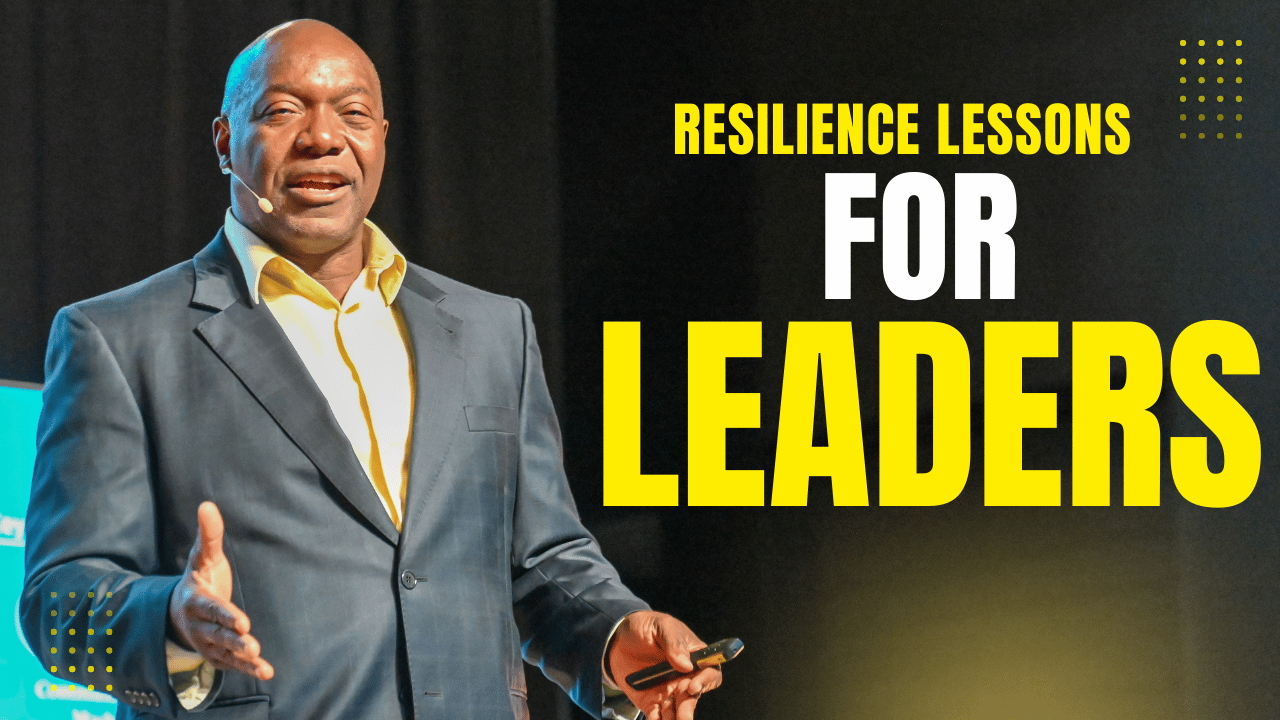
Leadership and elite sports share a powerful connection: both demand resilience to overcome challenges, adapt to change, and inspire others toward excellence. As a member of Jamaica’s first Olympic bobsled team, I learned firsthand that resilience isn’t just about enduring tough times—it’s about thriving through them.
The same lessons that drive Olympic athletes to succeed also apply to leaders navigating high-stakes decisions, organizational change, and uncertain times. Whether you’re managing a team, leading through adversity, or striving for ambitious goals, resilience is a critical leadership skill.
It is why I built my keynote on resilience around the lessons we learned on the bobsled track.
Resilient leaders think differently. Here are two essential mindset shifts that can help you develop resilience and lead with confidence:
On the bobsled track, every sharp turn was an opportunity to adapt and improve. In leadership, challenges serve the same purpose—they push you to innovate, refine your strategies, and become a better leader.
Instead of fearing adversity, ask yourself: “How can this challenge make us stronger?” By reframing setbacks as learning experiences, you’ll develop the resilience needed to lead through uncertainty.
Both in sports and leadership, external factors—like the competition or the economy—are often beyond your control. Resilient leaders concentrate on what they can influence: their mindset, actions, and the energy they bring to their team.
By focusing on preparation, strategic decision-making, and maintaining a positive outlook, you’ll empower yourself and your team to navigate uncertainty with confidence.
Resilience isn’t built overnight—it’s a muscle strengthened through daily habits. Here are three key practices to help leaders stay strong under pressure:
In Olympic bobsledding, success requires preparing for every possible scenario. Leaders can do the same by anticipating challenges, developing contingency plans, and equipping their teams with the skills to adapt quickly.
Resilient leaders don’t just push forward—they know when to pause and evaluate. Take time to reflect on what’s working, what’s not, and where you can improve. Regular reflection leads to better decision-making and sharper focus.
Every micro-improvement matters in the Olympics. Similarly, recognizing small achievements keeps teams motivated and fosters a culture of perseverance. Celebrating progress—no matter how minor—boosts morale and builds long-term resilience.
Resilience isn’t just about surviving challenges—it’s about leading through them with confidence, adaptability, and purpose. Strong leaders use resilience to:
✔️ Navigate uncertainty with clarity
✔️ Build trust during times of change
✔️ Transform obstacles into growth opportunities
During my Olympic journey, I discovered that true resilience isn’t about avoiding setbacks—it’s about using them as stepping stones to success. The same principle applies to leadership: by embracing challenges with a resilient mindset, you’ll create a thriving, adaptable, and high-performing team.
Both in the Olympics and in leadership, the goal isn’t just to reach the finish line—it’s about how you lead the journey. The more resilient you become, the more you’ll inspire those around you to push beyond their limits and achieve greatness.
Keep on pushing!
Devon tailors every keynote to your audience, your theme and the challenge in front of them.
Learn how to adapt to change with Olympic athlete Devon Harris. Discover 3 core capabilities that build resilience and adaptability .
Learn how to focus on the solution not the problem with Devon Harris. The Olympic mindset shift that turns every obstacle into an opportunity.
Devon Harris shares Olympic lessons on staying positive during hard times and finding real growth inside the struggle.