How to Adapt to Change: Lessons From an Olympic Underdog
Learn how to adapt to change with Olympic athlete Devon Harris. Discover 3 core capabilities that build resilience and adaptability .
Leadership is often associated with grit—the relentless drive to push through challenges. But in today’s fast-paced, unpredictable world, grit alone isn’t enough. True leadership requires resilience—the ability to adapt, recover, and thrive amid adversity.
Resilience isn’t just about enduring difficult times; it’s about navigating challenges with clarity, finding solutions under pressure, and leading with confidence. The good news? Resilience isn’t an innate trait—it’s a skill that can be developed through mindset shifts and intentional habits.
That is exactly what I help teams practice in my resilience talks.
To move beyond survival mode and excel under pressure, leaders must embrace key mindset shifts and practical habits that foster resilience.
Resilient leadership starts with perspective. Here are two critical mindset shifts:
Resilient leaders stay flexible when things don’t go as planned. Instead of freezing under pressure, they pivot, adjust strategies, and explore new solutions. This keeps teams engaged, motivated, and productive—even in uncertain times.
Perfection is rarely achievable, especially in high-stakes situations. Instead of striving for flawless execution, resilient leaders focus on consistent progress. This approach maintains momentum, boosts team morale, and drives long-term success.
Resilience isn’t just a mindset—it’s a daily practice. Here are three essential habits to build resilient leadership:
When challenges arise, break them down into actionable steps. Encourage your team to shift from feeling overwhelmed to taking immediate, practical actions that move toward a solution.
Resilient leaders manage stress effectively and don’t let pressure dictate their decisions. Mindfulness techniques, such as deep breathing and short meditations, can help maintain composure. A leader’s calm demeanor instills confidence and stability within the team.
Resilience isn’t a solo pursuit—it’s a team effort. Cultivate an environment where open communication, collaboration, and mutual support thrive. Celebrate small wins and create a workplace where every team member feels valued.
Resilient leadership isn’t just a theory—it’s a real-world necessity.
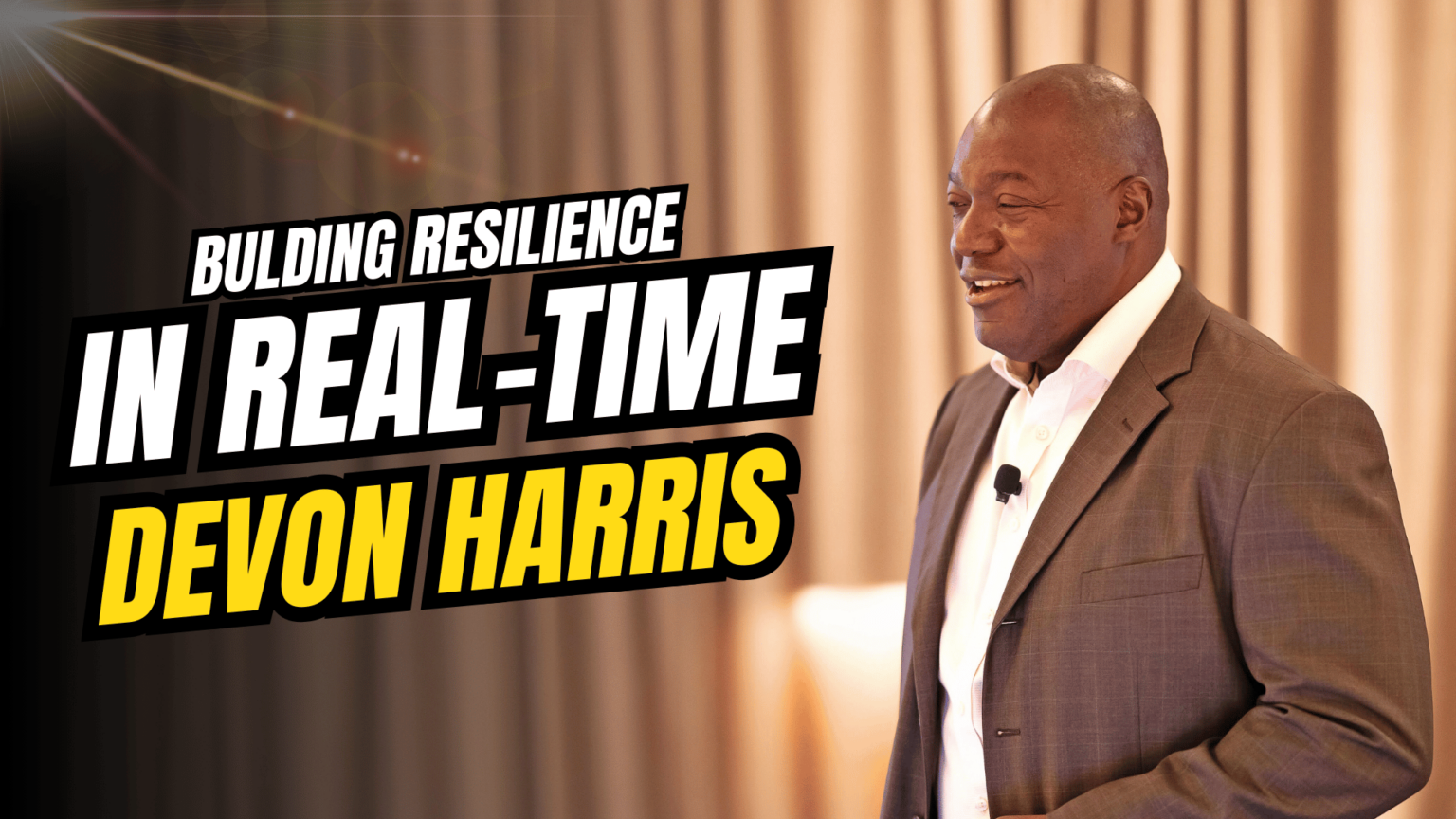
As a former member of the Jamaican bobsled team, I learned the power of real-time resilience. Whether it was equipment failures, last-minute strategy changes, or facing overwhelming odds, our ability to adapt, refocus, and persevere made all the difference.
For executives and business leaders, the same principle applies: Leadership isn’t about having all the answers—it’s about guiding your team with clarity and confidence, even in uncertainty.
Resilience isn’t about just weathering the storm—it’s about navigating through it. By adopting adaptability, implementing resilience-building habits, and fostering a culture of support, leaders can turn obstacles into opportunities and inspire their teams toward success.
Keep on pushing.
Devon tailors every keynote to your audience, your theme and the challenge in front of them.
Learn how to adapt to change with Olympic athlete Devon Harris. Discover 3 core capabilities that build resilience and adaptability .
Learn how to focus on the solution not the problem with Devon Harris. The Olympic mindset shift that turns every obstacle into an opportunity.
Devon Harris shares Olympic lessons on staying positive during hard times and finding real growth inside the struggle.