How to Adapt to Change: Lessons From an Olympic Underdog
Learn how to adapt to change with Olympic athlete Devon Harris. Discover 3 core capabilities that build resilience and adaptability .
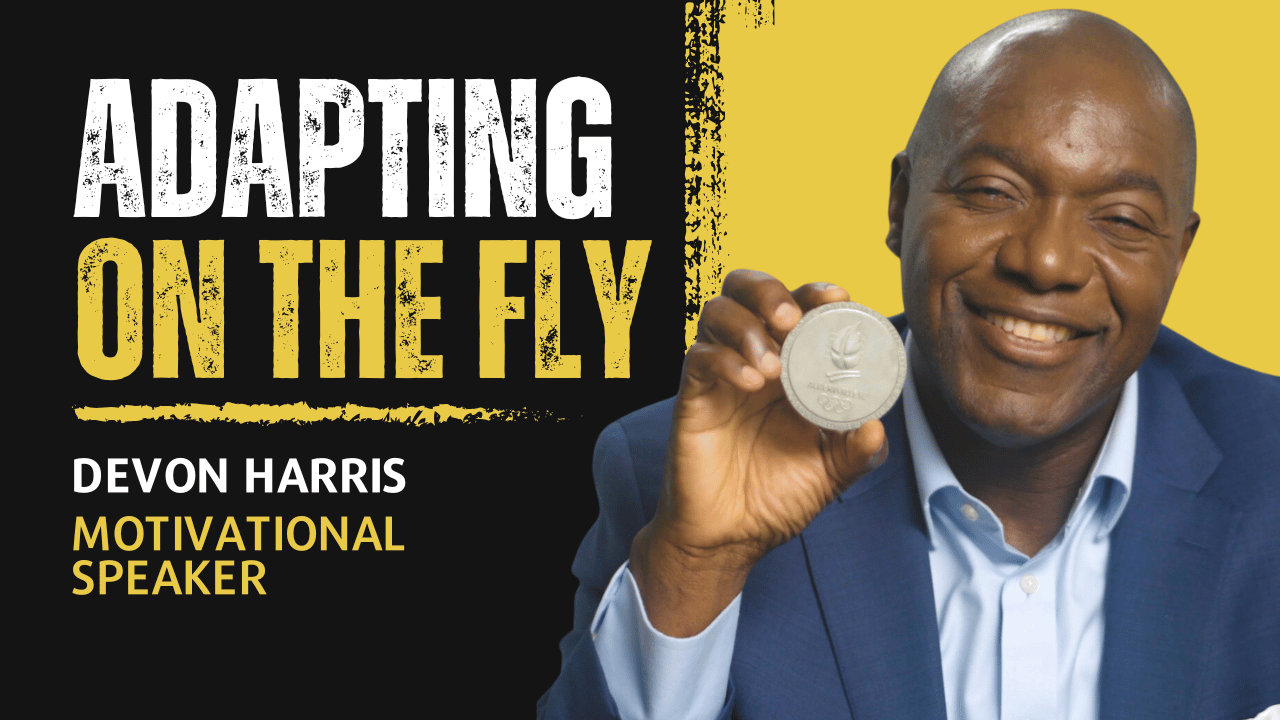
In the world of Olympic competition, the ability to adapt on the fly can mean the difference between victory and defeat. Whether it’s an unexpected change in weather, an equipment failure, or an opponent’s surprising strategy, Olympic athletes are masters at pivoting under pressure.
But adaptability isn’t just for athletes—it’s a critical skill for business leaders and professionals. In today’s fast-paced world, organizations must continually adjust to shifting markets, emerging trends, and unforeseen challenges. By learning from Olympians, businesses can navigate uncertainty and thrive in a constantly evolving landscape.
Olympians know that staying calm is the first step to adapting. When the stakes are high, panic only worsens the situation. Instead, they focus on their training, trust their instincts, and assess challenges logically.
Business Takeaway: In business, challenges often come with intense pressure. Whether it’s an unexpected market shift, a product launch setback, or a leadership change, staying calm allows for clear thinking and better decision-making.
Action Step: Develop the habit of pausing, assessing the situation, and responding strategically, rather than reacting emotionally.
Olympic athletes train for years to master their craft. This preparation gives them the confidence to pivot when things don’t go as planned. Their training isn’t just physical—it’s mental. They visualize scenarios, practice alternative strategies, and prepare for the unexpected.
Business Takeaway: In business, preparation is the key to adaptability. By planning for multiple scenarios, organizations can pivot faster and handle disruptions with confidence.
Action Step: Build flexibility into your strategies by conducting regular training, crisis simulations, and problem-solving exercises to improve decision-making under pressure.
Olympians keep their eyes on the prize, even when things go wrong. They understand that obstacles are temporary, but the goal is constant. This mindset helps them recover quickly and adjust their approach.
Business Takeaway: In business, it’s easy to get distracted by short-term setbacks. However, maintaining a strong vision and a clear sense of purpose will keep you and your team motivated and aligned, even when course corrections are necessary.
Action Step: Regularly reinforce your long-term vision and ensure every pivot aligns with your bigger mission and company goals.
Adapting on the fly isn’t about avoiding challenges—it’s about embracing them. Like Olympic athletes, business leaders who pivot effectively can turn obstacles into opportunities.
Key Takeaways:
For more insights on building resilience in leadership, check out Resilience: The Leadership Superpower You Need.
Additionally, learn how to thrive amid uncertainty by reading Resilient Leadership: Thriving in Uncertainty.
To discover how to transform obstacles into opportunities, explore Turning Challenges into Triumphs.
Final Thought: Pivoting isn’t a sign of weakness—it’s a sign of resilience, growth, and the determination to succeed.
Keep On Pushing!
Devon tailors every keynote to your audience, your theme and the challenge in front of them.
Learn how to adapt to change with Olympic athlete Devon Harris. Discover 3 core capabilities that build resilience and adaptability .
Learn how to focus on the solution not the problem with Devon Harris. The Olympic mindset shift that turns every obstacle into an opportunity.
Devon Harris shares Olympic lessons on staying positive during hard times and finding real growth inside the struggle.